1 strain · gourmet liquid cultures
Hericium erinaceus
Lion's mane
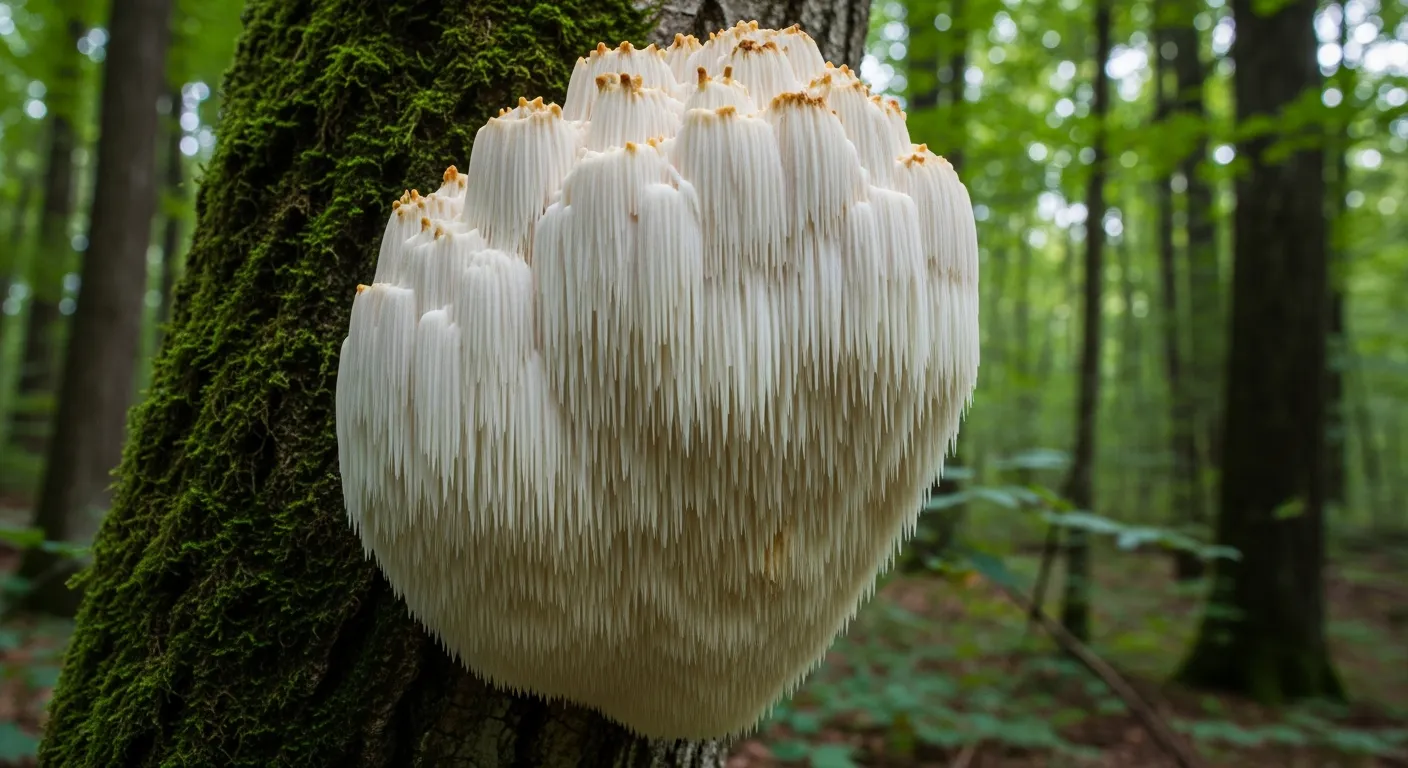
Cascading teeth-like fruit bodies prized for culinary texture and nootropic compounds.
- Habitat
- Deciduous hardwoods in temperate forests
- Spore print
- White
- Best for
- Culinary R&D and medicinal research labs
- Preparation
- Maintain 65–75°F with 85–95% humidity and gentle airflow
Available strains
Research focus
- Document mycelial growth morphology for gourmet cultivation studies
- Assess erinacine and hericenone potential in controlled extractions
- Compare biomass yields across supplemented hardwood substrates
Why R&D teams select Hericium cultures
Lion’s mane delivers both culinary appeal and neurologically promising compounds. Our isolates are stabilized for fast colonization so researchers can benchmark biomass yields and extraction potency.
Dialing in lion’s mane fruiting blocks
Use supplemented hardwood sawdust blocks and initiate fruiting once mycelium forms a solid white mass. Provide high humidity and frequent air exchange to encourage cascading spines.
Species FAQ
Do I need to chill the culture before inoculation?
Refrigerate upon arrival to extend shelf life, but allow the syringe to warm to room temperature before injection to prevent condensation inside the barrel.
What substrates work best for lion’s mane?
Supplemented hardwood substrates such as oak or beech blocks perform best. Maintain high humidity and low airflow to keep developing spines from drying out.
Compliance. Sold for culinary research, microscopy and educational use. Follow local regulations for mushroom cultivation and food production.