1 strain · gourmet liquid cultures
Pleurotus djamor
Pink oyster
Tropical oyster species with vivid coral caps and seafood-like flavor notes.
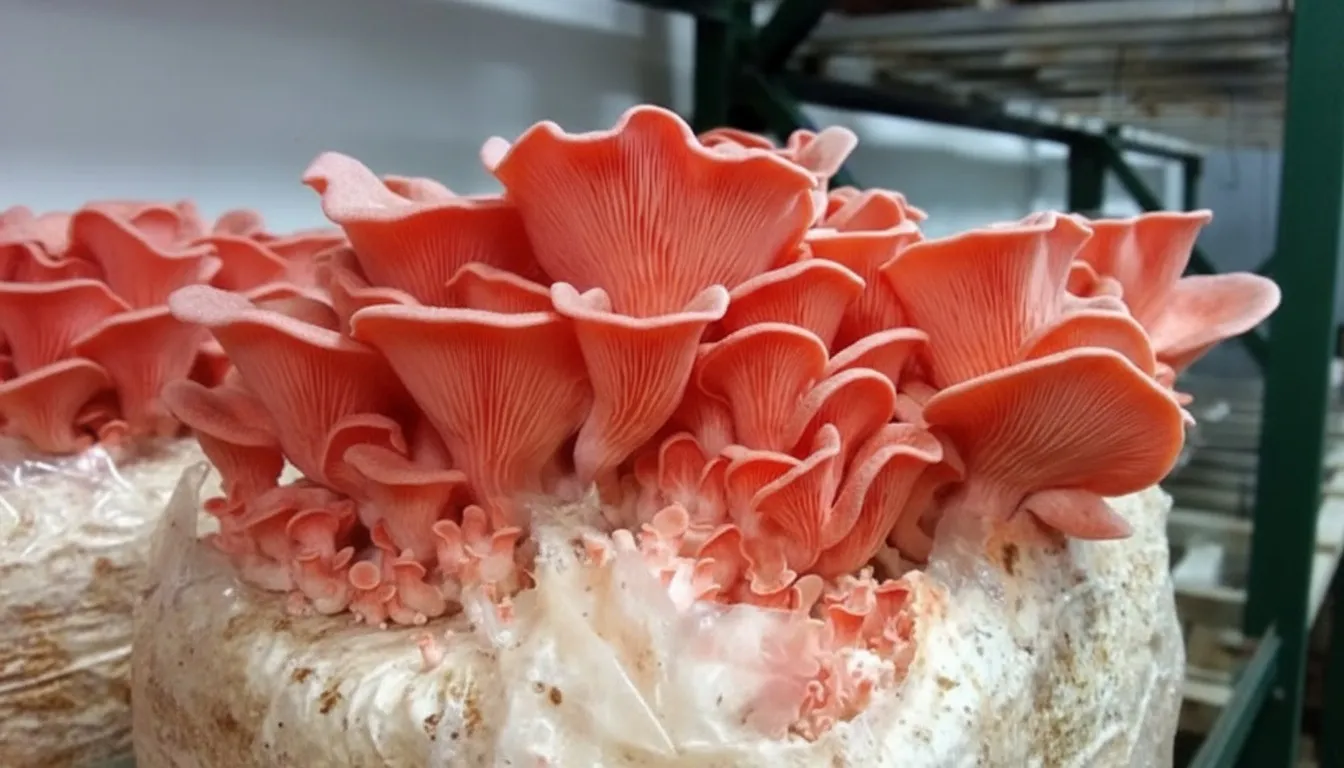
- Habitat
- Warm, humid tropical forests
- Spore print
- Pale pink
- Best for
- Visual merchandising and restaurant tastings
- Preparation
- Maintain 70–85°F with 85–95% humidity and frequent air exchange
Available strains
Research focus
- Measure color intensity across warm fruiting regimes
- Develop humidity schedules that prevent desiccation
- Quantify shelf life for fresh market distribution
Driving visual impact in culinary launches
Pink oysters command attention on tasting menus and farmers market displays. Use this isolate to prototype limited-time dishes and photo-ready bundles.
Keeping pink oysters shelf-stable
Harvest young clusters before caps flatten, chill immediately, and package loosely to prevent sweating that can dull the pink coloration.
Species FAQ
Why did my pink oysters fade to cream?
Color loss typically results from low humidity or delayed harvest. Increase humidity and pick before caps become convex.
Can I fruit this strain in cooler climates?
Pink oyster prefers warm rooms. If your facility averages below 70°F, consider supplementary heat or choose a cooler tolerant oyster species.
Compliance. Sold for culinary research, microscopy and educational use. Follow local regulations for mushroom cultivation and food production.